
Anúncios
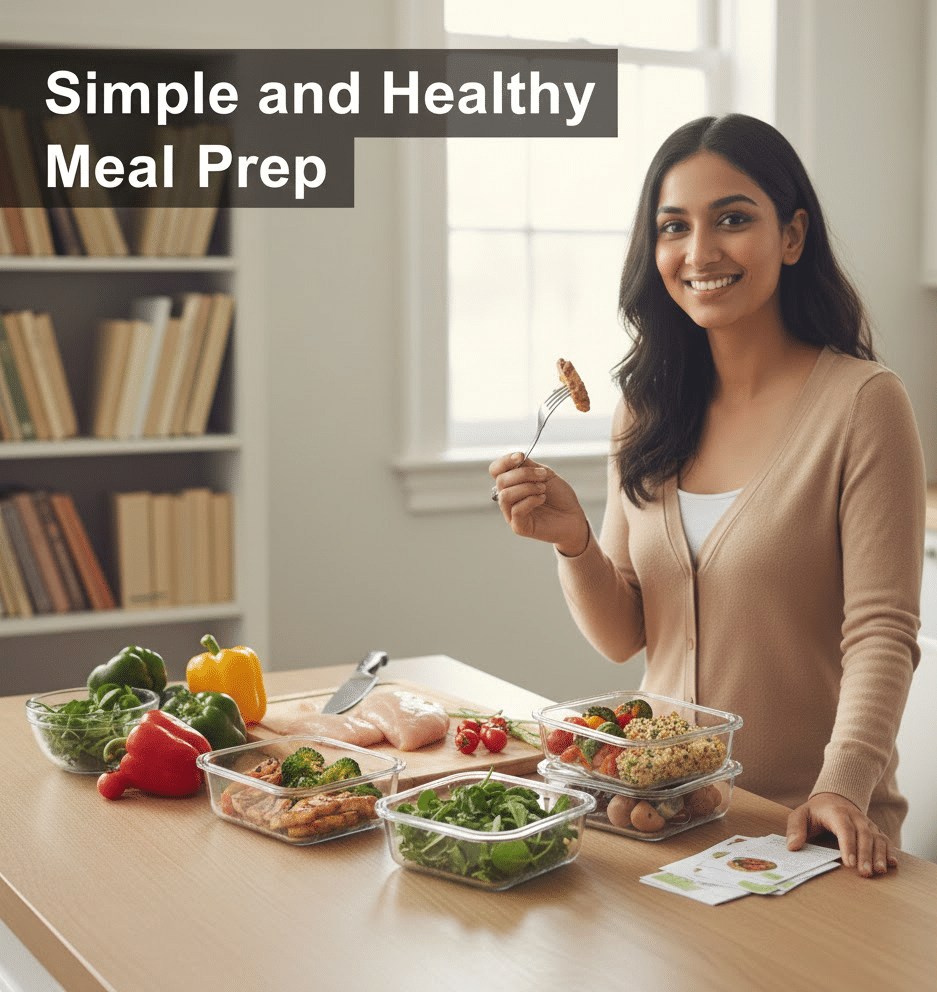
Preparing simple and healthy lunch boxes, also known as meal prep, is one of the most effective ways to save time, eat better, and maintain a balanced routine. In today’s fast-paced lifestyle, many people rely on ultra-processed foods because they believe cooking every day is difficult. However, with proper planning and organization, preparing nutritious meals in advance becomes not only possible but also enjoyable.
Moreover, meal prep helps reduce food waste, control portions, and manage expenses. Instead of making last-minute decisions, you already know what you will eat, which supports healthier choices. In addition, having ready meals available decreases stress during busy days. Therefore, learning how to prepare healthy lunch boxes is an essential skill for anyone seeking a better quality of life.
Anúncios
Why Preparing Healthy Lunch Boxes Matters
First of all, healthy meal prep allows you to take control of your nutrition. When you prepare your own meals, you decide which ingredients to use and how they are cooked. As a result, you consume fewer preservatives, less sugar, and lower amounts of unhealthy fats.
Furthermore, consistent meal preparation promotes regular eating habits. Instead of skipping meals or eating irregularly, you follow a structured routine. Consequently, your energy levels remain more stable throughout the day. In addition, planning meals in advance makes it easier to balance proteins, carbohydrates, and fats properly.
Another important point is financial savings. Cooking at home is generally cheaper than eating out. Over time, this habit can significantly reduce monthly food expenses. Therefore, healthy lunch boxes benefit both your body and your budget.
Anúncios
Planning Before Cooking
Before starting any meal prep routine, planning is essential. Without a plan, even simple meals can become overwhelming. Therefore, organization is the foundation of success.
Setting Clear Goals
To begin with, define your goals. For example, some people want to lose weight, while others aim to save time or eat cleaner. Once your objective is clear, your meal choices become easier. In addition, knowing your goals helps determine portion sizes and ingredient selection.
Choosing the Right Containers
Equally important, selecting proper containers improves food preservation. Glass containers are durable and safe for reheating. On the other hand, BPA-free plastic containers are lightweight and practical. Regardless of the material, choose containers with tight lids to prevent leaks.
Moreover, using divided containers helps separate food groups. This approach keeps textures and flavors intact. As a result, meals remain appetizing even after refrigeration.
Creating a Weekly Menu
Next, create a weekly menu. This step saves time and avoids repetitive meals. For instance, you can plan different proteins for each day while keeping side dishes similar. Consequently, you enjoy variety without extra effort.
A simple weekly plan might include:
- Two types of protein
- Three vegetables
- Two carbohydrate sources
With this structure, you can mix and match ingredients easily.
Building Balanced Meals
A healthy lunch box should include all essential nutrients. Therefore, understanding balance is crucial.
Proteins: The Foundation of Satiety
Proteins help build muscle and keep you full longer. Common options include chicken, eggs, fish, beans, and tofu. Additionally, lean meats reduce excess fat intake. For vegetarians, legumes and lentils are excellent choices.
Furthermore, cooking proteins in bulk saves time. For example, baking several chicken breasts at once simplifies the week. Then, you can season them differently for variety.
Carbohydrates: Energy and Comfort
Carbohydrates provide energy. However, choosing the right type matters. Whole grains like brown rice, quinoa, and oats offer fiber and nutrients. As a result, they promote better digestion.
In contrast, refined carbohydrates can cause energy spikes. Therefore, prioritizing complex carbs supports long-term health. Additionally, portion control is essential to avoid excess calories.
Healthy Fats: Flavor and Nutrition
Healthy fats improve flavor and nutrient absorption. Sources include olive oil, avocado, nuts, and seeds. Moreover, fats help keep meals satisfying.
However, moderation is key. Adding small portions enhances meals without making them heavy. Consequently, you enjoy both taste and balance.
Vegetables: Color and Vitality
Vegetables should fill a large portion of your lunch box. They provide vitamins, minerals, and antioxidants. Including different colors ensures a wider nutrient range.
For example:
- Green vegetables for iron and calcium
- Orange vegetables for vitamin A
- Red vegetables for antioxidants
Additionally, lightly steaming vegetables preserves nutrients while improving texture.
Simple Cooking Techniques for Meal Prep
Cooking methods influence both nutrition and flavor. Therefore, choosing simple techniques makes meal prep easier.
Baking and Roasting
Baking is ideal for proteins and vegetables. It requires minimal oil and effort. Moreover, roasting enhances natural flavors. You can cook multiple items simultaneously, saving time.
Boiling and Steaming
Boiling grains and steaming vegetables are quick methods. These techniques preserve nutrients when done correctly. Additionally, they require no complex equipment.
Stir-Frying
Stir-frying is useful for quick meals. Using a small amount of oil and high heat maintains texture. Furthermore, this method allows ingredient customization.
Seasoning Without Excess Salt
Flavor is essential for enjoyable meals. However, excessive salt should be avoided.
Using Herbs and Spices
Herbs and spices add flavor without calories. Options like garlic, paprika, turmeric, and black pepper enhance taste. Additionally, fresh herbs improve aroma.
Natural Sauces
Homemade sauces are healthier than store-bought ones. Simple combinations of olive oil, lemon juice, and herbs work well. As a result, meals taste fresh and balanced.
Meal Prep for Different Lifestyles
Meal prep can be adapted to various routines. Therefore, flexibility is important.
For Busy Professionals
Busy schedules require efficiency. Preparing meals twice a week can be enough. Additionally, choosing recipes with few ingredients saves time.
For Students
Students benefit from affordable and simple meals. Rice, beans, eggs, and vegetables are budget-friendly. Moreover, cooking in batches reduces daily effort.
For Families
Families can involve everyone in meal prep. Cooking together encourages healthy habits. Furthermore, children learn about nutrition early.
Food Safety and Storage
Proper storage ensures food quality and safety.
Refrigeration and Freezing
Most prepared meals last three to five days in the refrigerator. Freezing extends shelf life. However, label containers with dates to avoid confusion.
Reheating Safely
Reheat food thoroughly before eating. Using microwaves or ovens is acceptable. Ensure even heating to prevent bacteria growth.
Common Mistakes to Avoid
Even simple meal prep can go wrong. Therefore, awareness helps prevent issues.
- Preparing too much food at once
- Ignoring portion sizes
- Using too much sauce
- Skipping vegetables
By avoiding these mistakes, your routine becomes sustainable.
Inspiration from Nutrition Experts
Many nutritionists emphasize consistency over perfection. According to health professionals, “small daily habits lead to long-term health improvements.” This perspective encourages gradual changes rather than extreme diets.
Another common recommendation is focusing on whole foods. Experts agree that simple ingredients often provide the best results. Therefore, complexity is unnecessary.
Practical Meal Prep Ideas
To simplify your routine, consider these ideas:
- Grilled chicken with brown rice and vegetables
- Lentil stew with quinoa
- Baked fish with sweet potatoes
- Vegetable omelet with salad
These meals are easy to prepare and store well.
Staying Motivated Over Time
Motivation can decrease without variety. Therefore, changing recipes occasionally helps. Trying new spices or vegetables keeps meals interesting.
Additionally, tracking progress reinforces habits. Noticing improved energy or savings encourages continuation.
Conclusion
In conclusion, preparing simple and healthy lunch boxes is a practical strategy for improving daily nutrition, saving time, and reducing stress. By planning ahead, choosing balanced ingredients, and using simple cooking methods, anyone can adopt this habit successfully.
Moreover, meal prep adapts to different lifestyles and budgets. Whether you are a professional, student, or parent, this approach supports healthier choices. Ultimately, consistency matters more than perfection. By making small changes and staying organized, healthy eating becomes a natural part of your routine.
