
Anúncios
Introduction
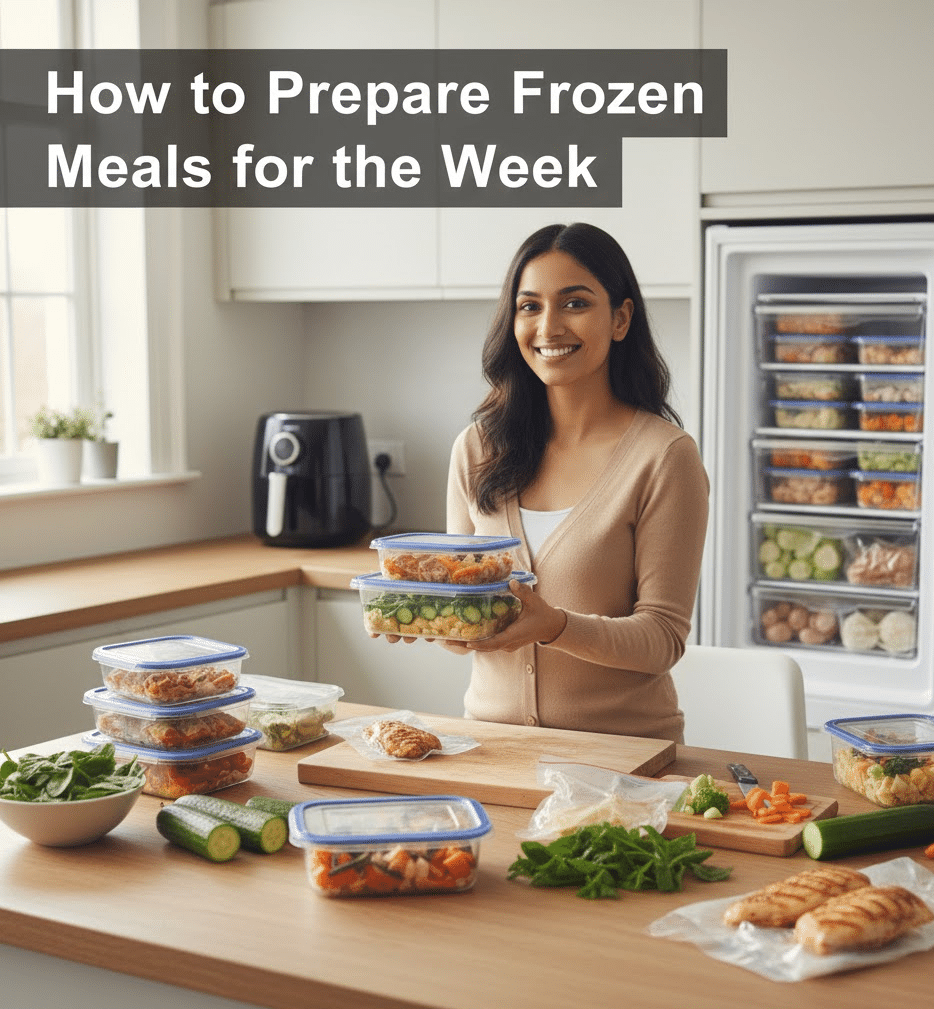
Preparing frozen meals for the week is one of the most effective ways to save time, reduce daily stress, and maintain a balanced diet. Many people struggle with cooking every day due to busy schedules, lack of energy, or limited time. As a result, they often rely on fast food or ultra-processed meals. However, learning how to prepare frozen meals for the week offers a practical and healthy alternative.
Frozen meal preparation allows you to cook once and eat multiple times. When done correctly, freezing preserves flavor, texture, and nutrients while providing convenience throughout the week. Moreover, having ready-to-eat meals reduces decision fatigue and helps control portions.
Anúncios
This guide explains how to prepare frozen meals for the week in a clear, organized, and beginner-friendly way. Throughout the text, transition expressions improve flow, short paragraphs enhance readability, and structured sections make the process easy to follow. In addition, lists and cited principles help turn meal prep into a sustainable habit rather than a temporary solution.
Why Prepare Frozen Meals in Advance
Understanding the benefits helps build motivation.
Saving Time During the Week
Cooking every day consumes time and energy. Therefore, preparing meals in advance frees up time for rest, work, or family.
Anúncios
Reducing Stress and Decision Fatigue
When meals are ready, daily decisions become simpler. As a result, stress levels decrease.
Supporting Healthier Eating Habits
Homemade frozen meals allow control over ingredients, portions, and nutrition.
Reducing Food Waste
Planning and freezing food prevents leftovers from spoiling.
Understanding What Foods Freeze Well
Not all foods freeze equally.
Foods That Freeze Very Well
These foods maintain quality after freezing:
- Cooked rice and grains
- Soups and stews
- Cooked meats
- Sauces
- Cooked beans and lentils
- Casseroles
These items are ideal for weekly meal prep.
Foods That Freeze Poorly
Some foods change texture when frozen:
- Raw vegetables with high water content
- Creamy sauces with fresh cream
- Lettuce and raw salads
Knowing this prevents disappointment.
Planning Meals Before Cooking
Planning is the foundation of success.
Choosing Meals for the Week
Select meals that:
- Share ingredients
- Are easy to portion
- Reheat well
Simple meals work best.
Creating a Weekly Menu
A basic weekly menu helps organize shopping and cooking. For example:
- 2–3 main dishes
- 1–2 side dishes
- Optional snacks or breakfasts
This balance avoids overload.
Making a Shopping List
Preparation begins at the store.
Buying Ingredients Strategically
Buy only what is needed for the planned meals. This reduces waste and saves money.
Choosing Fresh Ingredients
Fresh ingredients freeze better and maintain flavor.
Preparing the Kitchen for Meal Prep
Organization improves efficiency.
Cleaning and Organizing Workspace
A clean kitchen reduces stress and speeds up cooking.
Preparing Containers in Advance
Having containers ready avoids interruptions during cooking.
Cooking Meals Efficiently
Efficiency saves time and energy.
Batch Cooking Techniques
Batch cooking involves preparing large quantities at once. For example:
- Cooking grains in bulk
- Roasting vegetables together
- Preparing multiple protein portions simultaneously
This approach maximizes efficiency.
Cooking With Simple Recipes
Simple recipes freeze better and reheat more evenly.
Portioning Meals Correctly
Portion control improves convenience.
Deciding Portion Sizes
Choose portion sizes based on:
- Individual needs
- Family size
- Meal type
Consistent portions simplify planning.
Using Individual Containers
Individual portions allow easy reheating and reduce waste.
Choosing the Right Containers for Freezing
Proper containers protect food quality.
Best Container Options
Good options include:
- Glass containers
- BPA-free plastic containers
- Freezer-safe bags
Each option offers different advantages.
Avoiding Freezer Burn
Remove excess air from containers to protect food texture and flavor.
Labeling Frozen Meals Clearly
Labels prevent confusion.
Information to Include on Labels
Always label with:
- Meal name
- Preparation date
- Reheating instructions
Clear labels save time later.
Using Waterproof Markers or Labels
Durable labels remain readable in the freezer.
Cooling Food Before Freezing
Safety matters.
Why Cooling Is Important
Hot food raises freezer temperature. Therefore, allow food to cool before freezing.
Safe Cooling Methods
Cool food by:
- Letting it rest at room temperature briefly
- Using shallow containers
- Stirring soups to release heat
This improves safety and quality.
Organizing the Freezer Efficiently
Organization prevents waste.
Grouping Similar Meals
Store similar meals together for easy access.
Using the First-In, First-Out Method
Place older meals in front to ensure they are used first.
Freezing Meals Properly
Technique matters.
Freezing Flat for Efficiency
Freezer bags freeze faster and stack neatly when laid flat.
Avoiding Overcrowding
Air circulation improves freezing quality.
Reheating Frozen Meals Safely
Safe reheating protects health.
Recommended Reheating Methods
Common methods include:
- Microwave
- Oven
- Stovetop
Choose based on meal type.
Ensuring Even Heating
Stir or rotate food during reheating to avoid cold spots.
Creating Balanced Frozen Meals
Nutrition matters.
Including All Food Groups
Balanced meals include:
- Protein
- Carbohydrates
- Vegetables
- Healthy fats
Balanced meals support energy and health.
Avoiding Over-Processed Ingredients
Homemade meals allow control over salt, sugar, and additives.
Preparing Breakfasts and Snacks for Freezing
Freezing is not only for dinners.
Freezable Breakfast Options
Examples include:
- Breakfast burritos
- Muffins
- Pancakes
- Oatmeal portions
These save time in the morning.
Freezable Snacks
Healthy snack options include:
- Homemade energy bars
- Cooked legumes
- Portion-controlled leftovers
Creating a Weekly Freezer Routine
Consistency builds success.
Choosing a Prep Day
Many people choose weekends for meal prep. Regular routines simplify planning.
Reviewing Freezer Inventory Weekly
Knowing what is available prevents unnecessary cooking.
Avoiding Common Frozen Meal Mistakes
Awareness improves results.
Freezing Food Too Late
Freezing fresh food promptly preserves quality.
Overloading the Freezer
An overcrowded freezer reduces efficiency.
Forgetting to Label Meals
Unlabeled meals lead to confusion and waste.
Cited Principles for Successful Frozen Meal Prep
- “Plan before you cook.”
- “Freeze foods that reheat well.”
- “Label everything clearly.”
- “Portion meals for convenience.”
These principles guide consistent success.
Adapting Frozen Meals to Dietary Needs
Flexibility matters.
Adjusting for Special Diets
Frozen meal prep works for:
- Vegetarian diets
- Low-carb diets
- Gluten-free diets
- Family-friendly meals
Customization improves adherence.
Preparing Base Meals
Base meals allow customization later with fresh sides or sauces.
Saving Money With Frozen Meal Prep
Meal prep reduces costs.
Buying in Bulk
Bulk buying lowers ingredient costs.
Reducing Eating Out
Having meals ready reduces spending on takeout.
Building Confidence in the Freezer
Confidence grows with practice.
Starting Small
Begin with a few meals. Gradually increase variety.
Learning From Experience
Adjust recipes and portions over time.
Benefits of Preparing Frozen Meals for the Week
Frozen meal prep offers:
- Time savings
- Reduced stress
- Healthier eating
- Lower food waste
- Better budget control
These benefits improve daily life.
Conclusion
Learning how to prepare frozen meals for the week is a powerful habit that simplifies daily routines and supports healthier living. By planning meals, choosing freezer-friendly foods, portioning correctly, and organizing the freezer, anyone can enjoy homemade meals without daily cooking stress.
Although the process requires initial effort, the long-term rewards are significant. With consistency and simple strategies, frozen meal preparation becomes an efficient system rather than a chore. Ultimately, preparing frozen meals empowers you to eat well, save time, and enjoy a more organized and balanced week.
